
India is home to 23 Indian Institutes of Technology (IITs), and every IIT offers a doctoral programme across multiple disciplines. While many aspirants associate IITs primarily with engineering research, the scope of doctoral education at these institutes is much broader.
Today, IITs offer PhD programmes in engineering, sciences, management, humanities, social sciences, artificial intelligence, data science, interdisciplinary research, and emerging technology domains.
However, despite the growing interest in doctoral research, many aspirants remain unclear about how to apply for a PhD at IITs and how the admission process works.
In this guide, we break down the complete step-by-step process of applying for a PhD at IITs, from choosing the right mode of study to preparing for the final interview stage.
Step 1: Decide the Mode (Full-Time or Part-Time) for PhD in IITs
The first and most important decision is choosing the mode of doctoral study that best suits your academic and professional goals.
Full-Time PhD
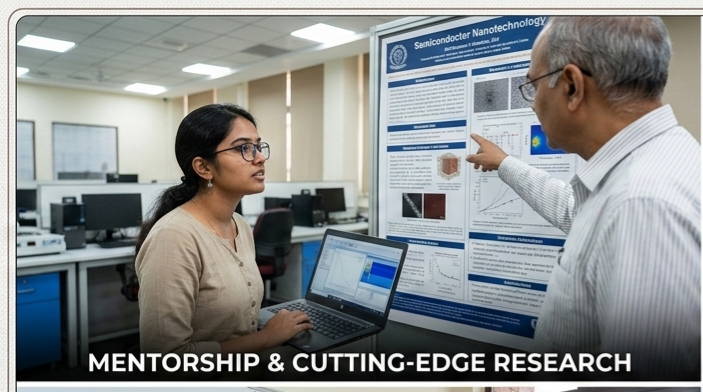
A full-time PhD is designed for candidates who wish to dedicate themselves entirely to research. Scholars typically receive institutional fellowships or assistantships that support them financially during their doctoral studies.
This option is ideal for individuals who aim to build careers in:
- Academia
- Advanced research
- Policy research
- Research-driven industry roles
Part-Time or Executive PhD
For working professionals who want to continue their careers while pursuing research, IITs offer Part-Time or Executive PhD programmes. These programmes allow scholars to balance professional responsibilities with academic research.
Choosing the right mode early in the process helps you align your expectations regarding time commitment, research structure, and eligibility requirements.
Step 2: Shortlist the Right IITs
A common misconception among applicants is that they should apply to as many IITs as possible. In reality, a more effective approach is to strategically shortlist a few IITs based on research alignment.
The most critical factor while shortlisting institutes is research fit.
Your proposed research topic should align with:
- The department’s research focus
- Faculty expertise
- Existing research projects
- Interdisciplinary opportunities within the institute
- Additional factors such as research infrastructure, fellowship support, location, and the availability of potential supervisors can also influence your decision.
However, research alignment should always remain the primary criterion when selecting IITs for your PhD applications.
Step 3: Check the Educational Eligibility for PhD in IITs
Before proceeding with an application, it is essential to confirm that you meet the basic academic eligibility requirements.
In most IITs, the general eligibility criteria include:
A Master’s degree in a relevant discipline, or a four-year undergraduate degree in engineering or an equivalent field with a minimum of 60% marks or equivalent CGPA.
Candidates from reserved categories typically receive relaxation of approximately 5%, depending on institutional regulations.
It is important to remember that these requirements can vary between:
- Different IITs
- Different departments within the same IIT
- Different research disciplines
Therefore, aspirants must carefully review the specific eligibility criteria mentioned in the official PhD admission notification of each institute.
Step 4: Understand Eligibility Exams and Work Experience Requirements
Many PhD aspirants are often confused about entrance exam requirements.
For Full-Time PhD programmes with fellowship, most IITs require candidates to qualify in national-level examinations such as:
- GATE
- UGC-NET
- CSIR-NET
- or equivalent qualifying exams
However, IITs may provide exam exemptions under certain conditions. For example, candidates graduating from Centrally Funded Technical Institutions (CFTIs) with strong academic records may be allowed to apply without these exams.
For Part-Time or Executive PhD programmes, the emphasis is usually placed on professional work experience.
Work experience requirements vary widely across institutes:
- Some IITs require at least one year of experience
- Others require two or more years
Certain departments, particularly in management or interdisciplinary research, may require significant professional experience. Because these criteria differ significantly across IITs and departments, applicants must verify the specific admission requirements for each programme individually.
Step 5: Do Not Wait for Applications to Open
One of the biggest mistakes PhD aspirants make is waiting for the application portal to open before starting their preparation.
In reality, successful PhD applicants begin preparing their application materials months in advance.
Before applications open, you should work on:
- Defining a clear research topic
- Preparing a compelling Statement of Purpose (SOP)
- Developing a structured research proposal
These documents are extremely important because many IIT departments shortlist candidates primarily based on their research proposal and academic intent.
Without a well-developed research idea and strong SOP, it becomes difficult for applicants to reach the interview stage.
Step 6: Submit Your Application When the Portal Opens
Once your research proposal and supporting documents are ready, you can apply to the shortlisted IITs.
Most IITs open PhD applications twice each year:
- March–April for the July admission cycle
- October–November for the January admission cycle
Applicants should regularly monitor:
- Official IIT admission portals
- Departmental websites
- Academic admission notifications
Keeping track of admission timelines ensures that you do not miss important deadlines.
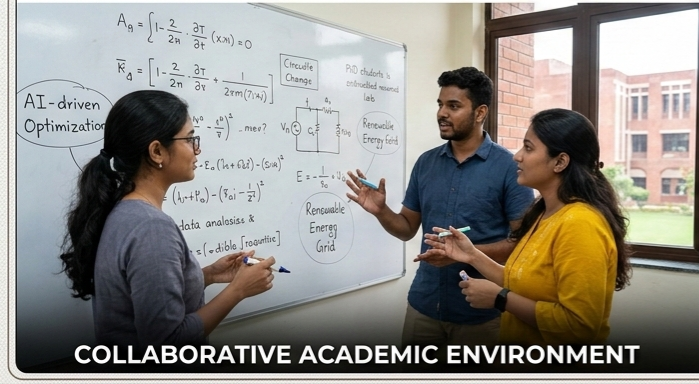
Step 7: Prepare for the Entrance Test and Interview
After submitting the application, shortlisted candidates are invited to the next stage of the selection process.
Depending on the department and institute, this may involve:
- A written entrance examination
- A technical interview or viva
The interview stage is particularly important, as it allows the selection committee to evaluate:
- Your research clarity
- Subject knowledge
- Motivation for pursuing a PhD
- Long-term research vision
Candidates who demonstrate strong academic preparation and clear research direction have a higher chance of securing admission.
Once the selection process is complete, successful candidates receive admission offers and proceed with formal enrolment into the doctoral programme.
Final Thoughts
Applying for a PhD at IITs is a rigorous process that requires strategic planning, academic clarity, and careful preparation.
From selecting the right research topic to preparing strong application documents and performing well in the interview, every stage of the process plays a crucial role in shaping your doctoral journey.
For aspirants who approach the process with clarity and preparation, IIT doctoral programmes offer a unique opportunity to contribute to cutting-edge research and academic advancement.
PhD aspirants, at Zenith PhD Training & Consultancy, we guide candidates throughout the doctoral admission journey — from research topic identification and proposal development to SOP preparation, university shortlisting, and interview mentoring.
If you are planning to pursue a PhD and would like structured guidance for the admission process, our team is here to support you at every step.